Frequently Asked Questions
How do beacon safety systems improve emergency response times?
Beacon safety systems enhance emergency response times by providing real-time monitoring and immediate alerts to emergency services, ensuring that help arrives as quickly as possible in the event of a fire.
Can beacon safety systems be integrated with existing alarm systems?
Beacon safety systems can be integrated with existing alarm systems. This allows for enhanced fire protection while utilizing your current infrastructure, ensuring seamless operation and improved safety for your property.
What is included in fire alarm monitoring services?
Fire alarm monitoring services include 24/7 surveillance of your fire alarm system, immediate alerts to emergency services in case of an alarm activation, and regular system checks to ensure optimal functionality and compliance with safety standards.
Can fire detection systems be monitored remotely?
Fire detection systems can indeed be monitored remotely. This capability allows for real-time alerts and responses, ensuring that any potential fire hazards are addressed promptly, enhancing safety for residential, commercial, and industrial properties.
What is a beacon safety system used for in industrial settings?
A beacon safety system is used in industrial settings to enhance fire safety by providing early detection of fire hazards, enabling prompt alerts and efficient emergency response to protect personnel and property from potential fire risks.
How does a beacon safety system alert workers to hazards?
The way a beacon safety system alerts workers to hazards is through a combination of visual and audible alarms, ensuring immediate awareness of potential dangers in the environment.
Can fire alarm monitoring services be customized?
Fire alarm monitoring services can indeed be customized to meet the specific needs of your property. We work closely with clients to tailor our monitoring solutions, ensuring optimal protection for residential, commercial, and industrial spaces.
What are the different types of fire detection systems available?
The different types of fire detection systems available include ionization smoke detectors, photoelectric smoke detectors, heat detectors, and multi-sensor detectors. Each type is designed to detect specific fire conditions and enhance safety in residential, commercial, and industrial settings.
What are the benefits of fire alarm monitoring services?
The benefits of fire alarm monitoring services include immediate alerts to emergency responders, 24/7 surveillance for enhanced safety, and reduced response times, ensuring that potential fire hazards are addressed swiftly to protect lives and property.
Can beacon safety systems be customized for specific industries?
Beacon safety systems can be customized to meet the specific needs of various industries, ensuring optimal fire protection tailored to unique operational requirements and hazards.
How do fire alarm monitoring services work?
Fire alarm monitoring services work by continuously overseeing your fire alarm system. When a fire alarm is triggered, the monitoring service immediately alerts emergency responders, ensuring a rapid response to potential fire hazards.
What training is required for monitoring services?
The training required for monitoring services includes comprehensive instruction on fire safety protocols, system operation, and emergency response procedures to ensure effective monitoring and quick action in case of fire hazards.
How can businesses enhance fire alarm responsiveness?
Enhancing fire alarm responsiveness involves regular maintenance, timely upgrades, and effective training for staff on emergency protocols. Implementing a reliable monitoring service also ensures rapid response to alarms, minimizing potential fire hazards.
What features improve fire detection system reliability?
The features that improve fire detection system reliability include advanced sensor technology, regular maintenance, integration with emergency response systems, and real-time monitoring capabilities. These elements ensure prompt detection and response to fire hazards, enhancing overall safety.
How are beacon safety systems installed effectively?
The effective installation of Beacon safety systems involves a thorough assessment of the property, strategic placement of fire alarms and sprinklers, and adherence to safety regulations, ensuring optimal functionality and compliance for reliable fire protection.
What industries benefit most from alarm monitoring?
The industries that benefit most from alarm monitoring include healthcare, retail, manufacturing, and hospitality, as they require constant protection against fire hazards and need immediate response capabilities to ensure safety and compliance.
How do fire detection systems support safety regulations?
Fire detection systems support safety regulations by ensuring timely alerts to potential fire hazards, enabling prompt evacuation and response. This compliance not only protects lives but also meets local and national fire safety codes, reducing liability for property owners.
What innovations exist in fire detection technology?
Innovations in fire detection technology include advanced smoke detectors with artificial intelligence for quicker response times, integrated systems that connect to smart home devices, and enhanced sensors that can differentiate between smoke and steam to reduce false alarms.
How are response times measured for fire systems?
Response times for fire systems are measured from the moment a fire alarm is triggered to the time emergency services arrive on-site. This includes assessing the speed of detection, notification, and response actions taken by both the system and the monitoring service.
What factors influence fire alarm system costs?
The factors that influence fire alarm system costs include the type of system, the size of the property, installation complexity, required monitoring services, and any additional features such as integration with other safety systems.
How often should fire alarm systems be tested?
Fire alarm systems should be tested at least once a month to ensure they are functioning properly. Additionally, a comprehensive annual inspection by a professional is recommended to maintain optimal performance and compliance with safety regulations.
What maintenance is needed for safety systems?
The maintenance needed for safety systems includes regular inspections, testing of fire alarms and sprinklers, and ensuring that monitoring services are functioning properly. Additionally, replacing batteries and addressing any identified issues promptly is essential for optimal performance.
How do beacon systems notify emergency personnel?
Beacon systems notify emergency personnel by automatically transmitting alerts to local fire departments and emergency services when a fire alarm is triggered, ensuring a swift response to potential fire hazards.
What sensors enhance fire safety system effectiveness?
The sensors that enhance fire safety system effectiveness include smoke detectors, heat detectors, and flame detectors. These devices work together to quickly identify fire hazards, ensuring timely alerts and effective emergency responses.
How do fire alarm systems prevent false alarms?
Fire alarm systems prevent false alarms by utilizing advanced detection technologies, such as heat and smoke sensors, which distinguish between actual fire conditions and non-threatening environmental factors. Regular maintenance and testing also enhance their reliability.
What role do policies play in safety compliance?
The role of policies in safety compliance is crucial as they establish guidelines and standards that organizations must follow to ensure a safe environment. These policies help mitigate risks and promote a culture of safety among employees and stakeholders.
How do fire systems integrate with building designs?
Fire systems integrate with building designs by incorporating fire alarm and sprinkler systems into the architectural layout, ensuring compliance with safety codes while enhancing overall building functionality and occupant safety.
What are common challenges in fire monitoring?
Common challenges in fire monitoring include false alarms, equipment maintenance, ensuring proper system integration, and the need for regular inspections to meet safety regulations. These issues can hinder effective emergency response and compromise safety.
How do you choose a reliable monitoring service?
Choosing a reliable monitoring service involves evaluating their experience, customer reviews, response times, and the technology they use. Ensure they offer 24/7 support and are certified to provide fire safety monitoring for your specific needs.
What metrics track the performance of safety systems?
The metrics that track the performance of safety systems include response time, system reliability, false alarm rates, and compliance with safety regulations. These indicators help assess the effectiveness and efficiency of fire safety systems in protecting properties.

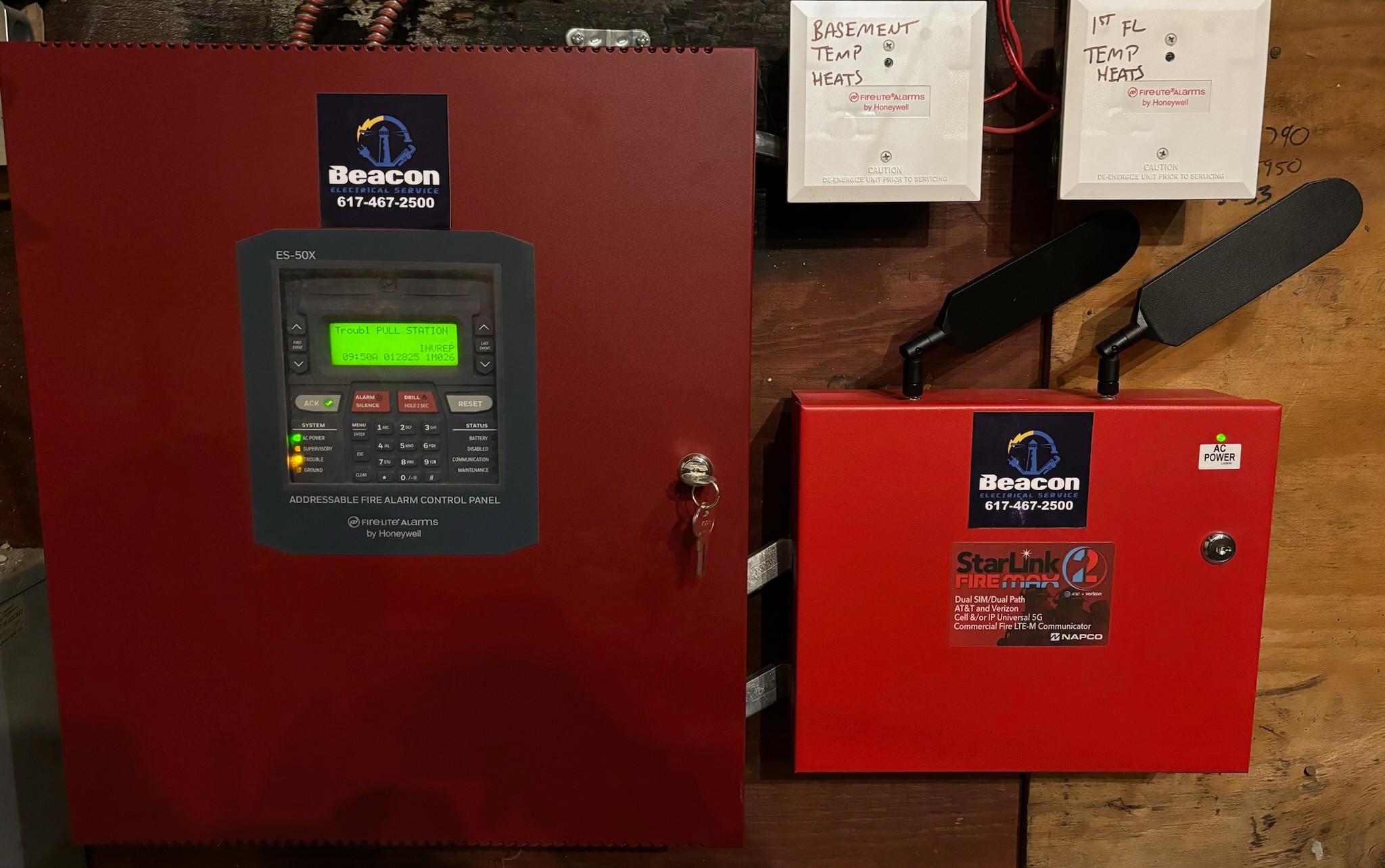
 Certified Fire Safety Experts – Our team is trained in NFPA (National Fire Protection Association) standards and local fire codes.